The 5 Dermatologist Mistakes That Make Your Dark Spots Darker
And the one clinical breakthrough that is finally giving patients the porcelain skin they thought was gone forever.

A Special Investigation by Dr. Mina Park, Korean Skincare Specialist
The 5 Dermatologist Mistakes That Make Your Dark Spots Darker
And the one clinical breakthrough that is finally giving patients the porcelain skin they thought was gone forever.
A Special Investigation by Dr. Mina Park, Korean Skincare Specialist
The 5 Dermatologist Mistakes That Make Your Dark Spots Darker
And the one clinical breakthrough that is finally giving patients the porcelain skin they thought was gone forever.
A Special Investigation by Dr. Mina Park, Korean Skincare Specialist
Chapter One
The Patient Who Changed Everything
Linda sat in my exam chair, wiping a tear from her cheek. She was 52, beautiful, and completely defeated. She had spent thousands of dollars trying to remove the clusters of brown "age spots" on her cheeks and forehead.
"I look dirty," she whispered. "No matter how much I scrub, or how much foundation I wear, they show through. I feel like a Dalmatian."
She had done it all: The painful chemical peels that left her hiding for weeks. The "miracle" Vitamin C serums that turned orange in the bottle. Even a prescription bleaching cream that left permanent white rings—"halos"—around her dark spots, making them look even worse.
"I just want clear skin," she said. "Is that too much to ask?"
It wasn't. But the industry had been failing women like Linda for years.
That question—why does every solution feel like an attack?—was the motivation for the Dark Spot Eraser Cream.
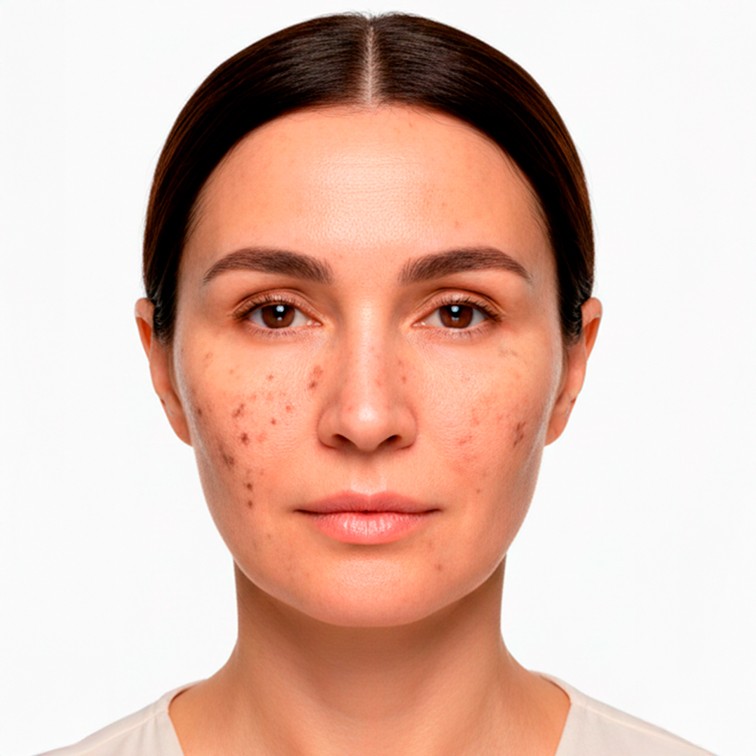
The frustration and embarrassment were visible in every layer of caked foundation.
Chapter One
The Patient Who Changed Everything
Linda sat in my exam chair, wiping a tear from her cheek. She was 52, beautiful, and completely defeated. She had spent thousands of dollars trying to remove the clusters of brown "age spots" on her cheeks and forehead.
"I look dirty," she whispered. "No matter how much I scrub, or how much foundation I wear, they show through. I feel like a Dalmatian."
She had done it all: The painful chemical peels that left her hiding for weeks. The "miracle" Vitamin C serums that turned orange in the bottle. Even a prescription bleaching cream that left permanent white rings—"halos"—around her dark spots, making them look even worse.
"I just want clear skin," she said. "Is that too much to ask?"
It wasn't. But the industry had been failing women like Linda for years.
That question—why does every solution feel like an attack?—was the motivation for the Dark Spot Eraser Cream.
The frustration and embarrassment were visible in every layer of caked foundation.
Chapter Two
The Investigation That Shook My Profession
I spent the next year analyzing why traditional "spot removers" fail. The answer was disturbing.
Most dermatologists were prescribing Hydroquinone—a harsh bleaching agent that is actually banned in Europe and parts of Asia because of its toxicity. It kills your skin's pigment cells entirely, leading to irritation and rebound hyperpigmentation (where the spot comes back darker).
We were attacking the skin with a sledgehammer, when we needed a sniper rifle.
The breakthrough came when I discovered a new molecule called Synovea® HR. In clinical trials, it was shown to be 4-times more effective than Hydroquinone at regulating melanin, but without the toxicity or irritation.
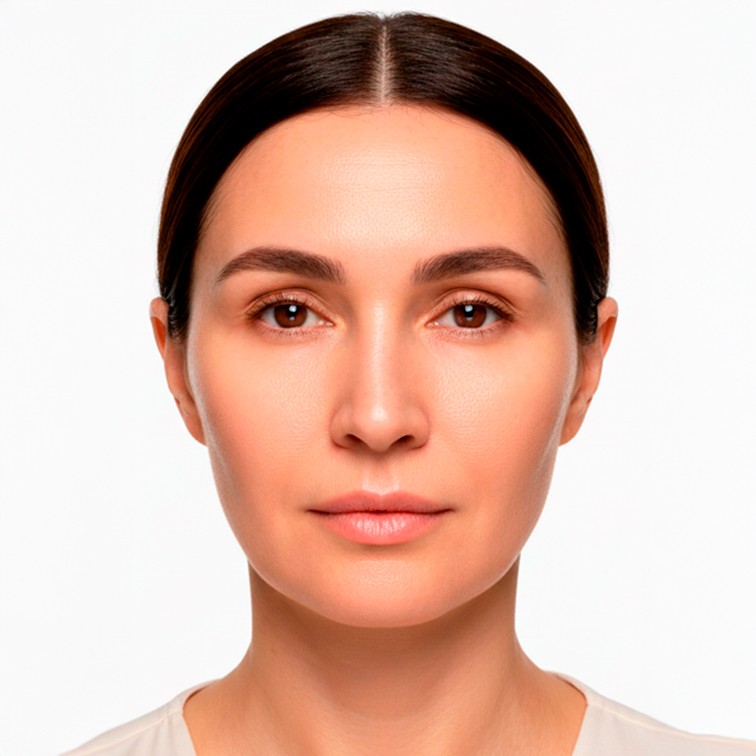
"I finally have the bright, smooth canvas I thought was impossible"- Laura
Chapter Two
The Investigation That Shook My Profession
I spent the next year analyzing why traditional "spot removers" fail. The answer was disturbing.
Most dermatologists were prescribing Hydroquinone—a harsh bleaching agent that is actually banned in Europe and parts of Asia because of its toxicity. It kills your skin's pigment cells entirely, leading to irritation and rebound hyperpigmentation (where the spot comes back darker).
We were attacking the skin with a sledgehammer, when we needed a sniper rifle.
The breakthrough came when I discovered a new molecule called Synovea® HR. In clinical trials, it was shown to be 4-times more effective than Hydroquinone at regulating melanin, but without the toxicity or irritation.
"I finally have the bright, smooth canvas I thought was impossible"- Laura
What I Discovered Changed My Practice Forever
After reviewing hundreds of cases, I uncovered 5 fundamental mistakes that 90% of women make when treating pigment.
The 5 Critical Mistakes We Were All Making
The 5 Critical Mistakes We Were All Making
1
The "Bleach and Burn" Fallacy
Using harsh bleaching creams kills the pigment cell. This triggers an inflammatory response. Your skin thinks it's under attack, so it produces more protective pigment (melanin). You are literally trapping yourself in a cycle of damage.
2
The Vitamin C Myth
Vitamin C is great for brightening, but the molecule is unstable. By the time you buy a bottle from the store, most of it has oxidized (turned brown) and become useless. It’s too weak to erase deep-set age spots on its own.
3
Ignoring the "Pigment Pathway"
Most creams only exfoliate the surface. But pigment is made deep in the dermis. Unless you stop the transfer of melanin to the surface (using Niacinamide), you are just scrubbing away the smoke while the fire still burns.
4
Spot Treating Instead of Field Treating
Applying cream only to the spot creates uneven skin tone. You need a solution that "scans" the skin, targeting the overactive melanin while leaving healthy skin alone.
5
Using Acids During the Day
Many women use glycolic or salicylic acid in the morning. This strips your protective barrier, making your skin more susceptible to UV damage. You end up with more spots than you started with.
1
The "Bleach and Burn" Fallacy
Using harsh bleaching creams kills the pigment cell. This triggers an inflammatory response. Your skin thinks it's under attack, so it produces more protective pigment (melanin). You are literally trapping yourself in a cycle of damage.
2
The Vitamin C Myth
Vitamin C is great for brightening, but the molecule is unstable. By the time you buy a bottle from the store, most of it has oxidized (turned brown) and become useless. It’s too weak to erase deep-set age spots on its own.
3
Ignoring the "Pigment Pathway"
Most creams only exfoliate the surface. But pigment is made deep in the dermis. Unless you stop the transfer of melanin to the surface (using Niacinamide), you are just scrubbing away the smoke while the fire still burns.
4
Spot Treating Instead of Field Treating
Applying cream only to the spot creates uneven skin tone. You need a solution that "scans" the skin, targeting the overactive melanin while leaving healthy skin alone.
5
Using Acids During the Day
Many women use glycolic or salicylic acid in the morning. This strips your protective barrier, making your skin more susceptible to UV damage. You end up with more spots than you started with.
1
The "Bleach and Burn" Fallacy
Using harsh bleaching creams kills the pigment cell. This triggers an inflammatory response. Your skin thinks it's under attack, so it produces more protective pigment (melanin). You are literally trapping yourself in a cycle of damage.
2
The Vitamin C Myth
Vitamin C is great for brightening, but the molecule is unstable. By the time you buy a bottle from the store, most of it has oxidized (turned brown) and become useless. It’s too weak to erase deep-set age spots on its own.
3
Ignoring the "Pigment Pathway"
Most creams only exfoliate the surface. But pigment is made deep in the dermis. Unless you stop the transfer of melanin to the surface (using Niacinamide), you are just scrubbing away the smoke while the fire still burns.
4
Spot Treating Instead of Field Treating
Applying cream only to the spot creates uneven skin tone. You need a solution that "scans" the skin, targeting the overactive melanin while leaving healthy skin alone.
5
Using Acids During the Day
Many women use glycolic or salicylic acid in the morning. This strips your protective barrier, making your skin more susceptible to UV damage. You end up with more spots than you started with.
The Only Components That Actually Work
The Only Components That Actually Work
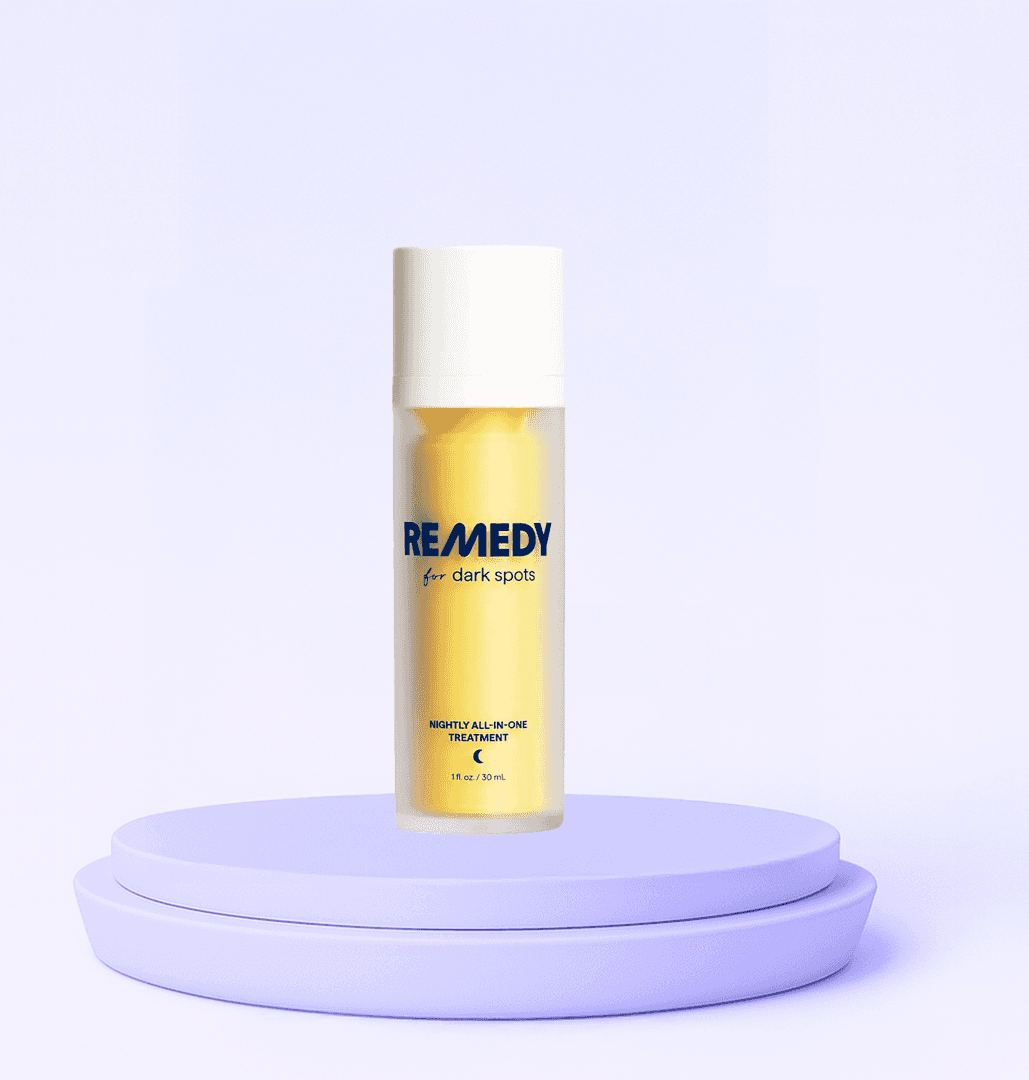
To truly erase spots, you need a "Tri-Active" approach: Synovea® HR (to interrupt melanin production), Niacinamide (to stop pigment transfer), and Salicylic Acid (to gently remove surface pigment).
The Olenis Dark Spot Eraser is the first home treatment to combine all three in a stable, hydrating base.
To truly erase spots, you need a "Tri-Active" approach: Synovea® HR (to interrupt melanin production), Niacinamide (to stop pigment transfer), and Salicylic Acid (to gently remove surface pigment).
The Olenis Dark Spot Eraser is the first home treatment to combine all three in a stable, hydrating base.
To truly erase spots, you need a "Tri-Active" approach: Synovea® HR (to interrupt melanin production), Niacinamide (to stop pigment transfer), and Salicylic Acid (to gently remove surface pigment).
The Olenis Dark Spot Eraser is the first home treatment to combine all three in a stable, hydrating base.
The Breakthrough That Changes Everything
The Breakthrough That Changes Everything
The Olenis Dark Spot Eraser is the first home treatment to combine all three in a stable, hydrating base.
The Olenis Dark Spot Eraser is the first home treatment to combine all three in a stable, hydrating base.
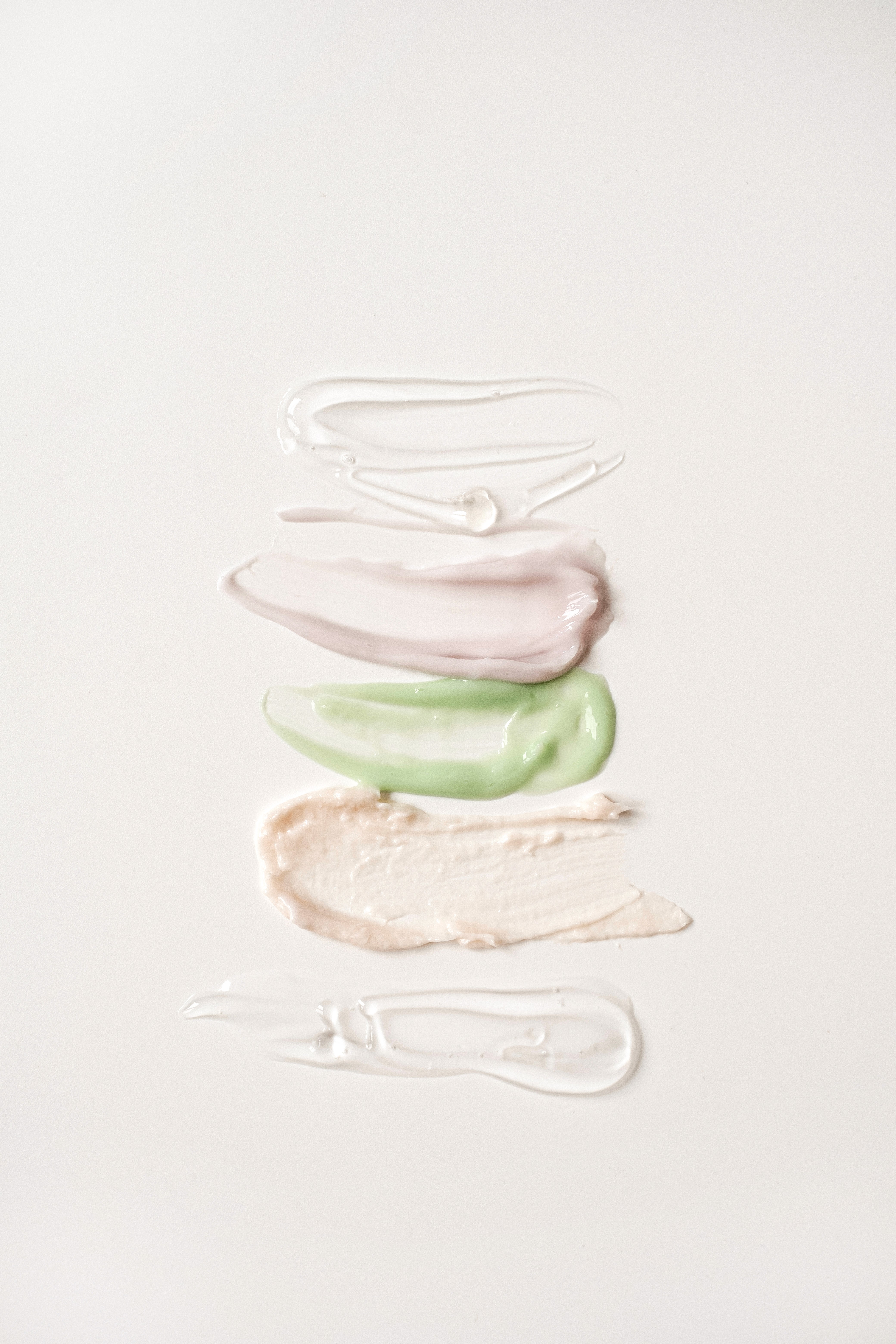
Synovea® HR
Synovea® HR
Synovea® HR

Niacinamide
Niacinamide
Niacinamide

Salicylic Acid
Salicylic Acid
Salicylic Acid
The Results Speak for Themselves
The Results Speak for Themselves
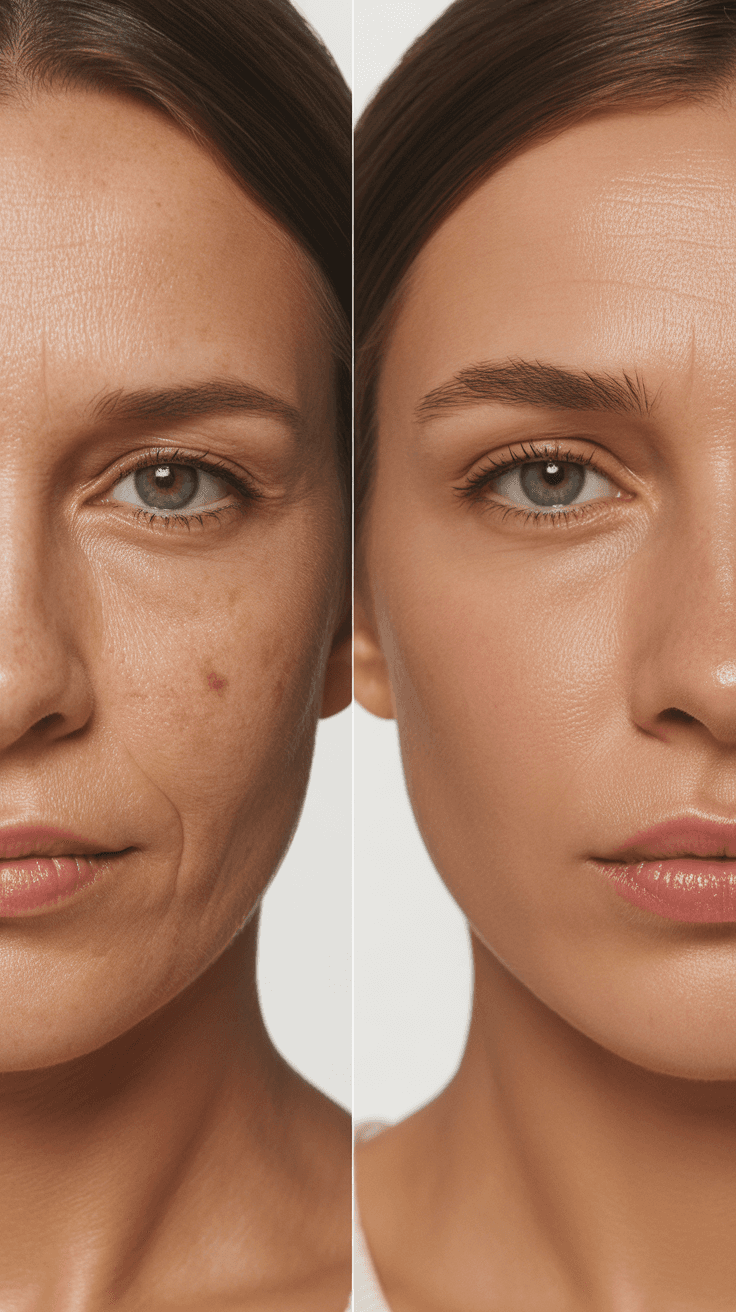
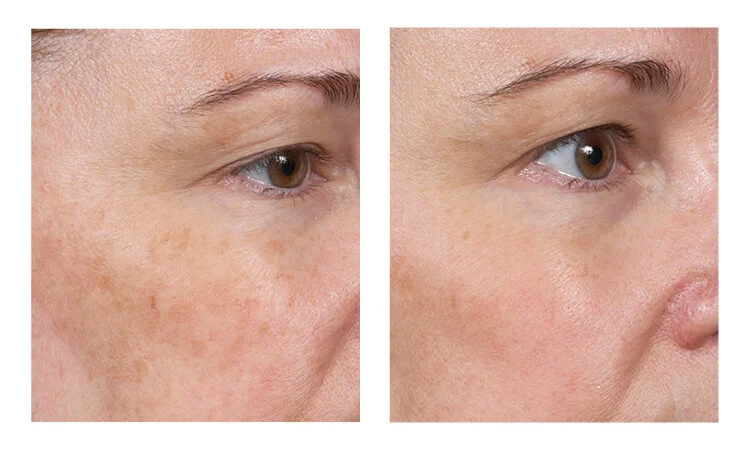
"I’ve struggled with dark spots and uneven skin tone for years, and nothing seemed to help. After trying this, the difference is unbelievable. My complexion looks brighter, smoother, and so much more even. Even my friends noticed the change without me saying a word!"
—Melissa G., 42
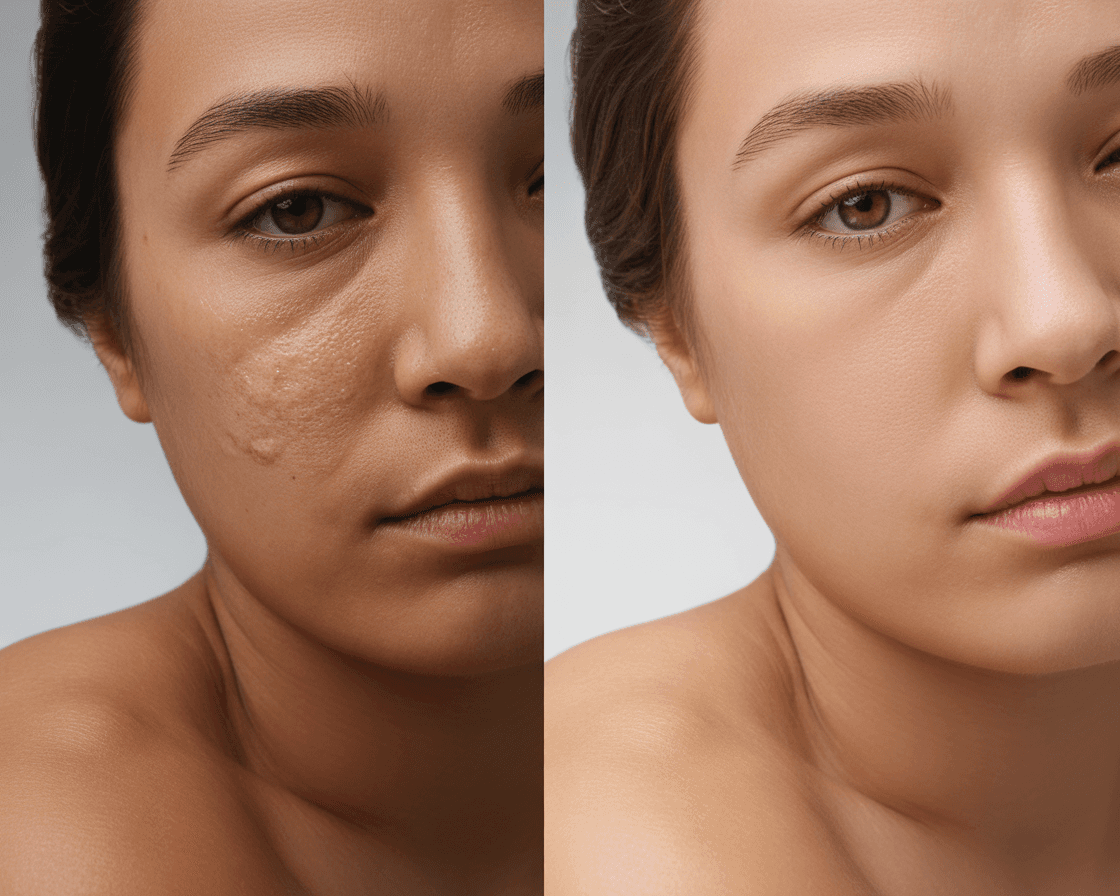
"I had textured skin and stubborn pigmentation that made me feel uncomfortable going makeup-free. Seeing how much clearer and refined my skin looks now feels amazing. The before-and-after truly speaks for itself — my confidence is finally back!"
—Araceli V., 31
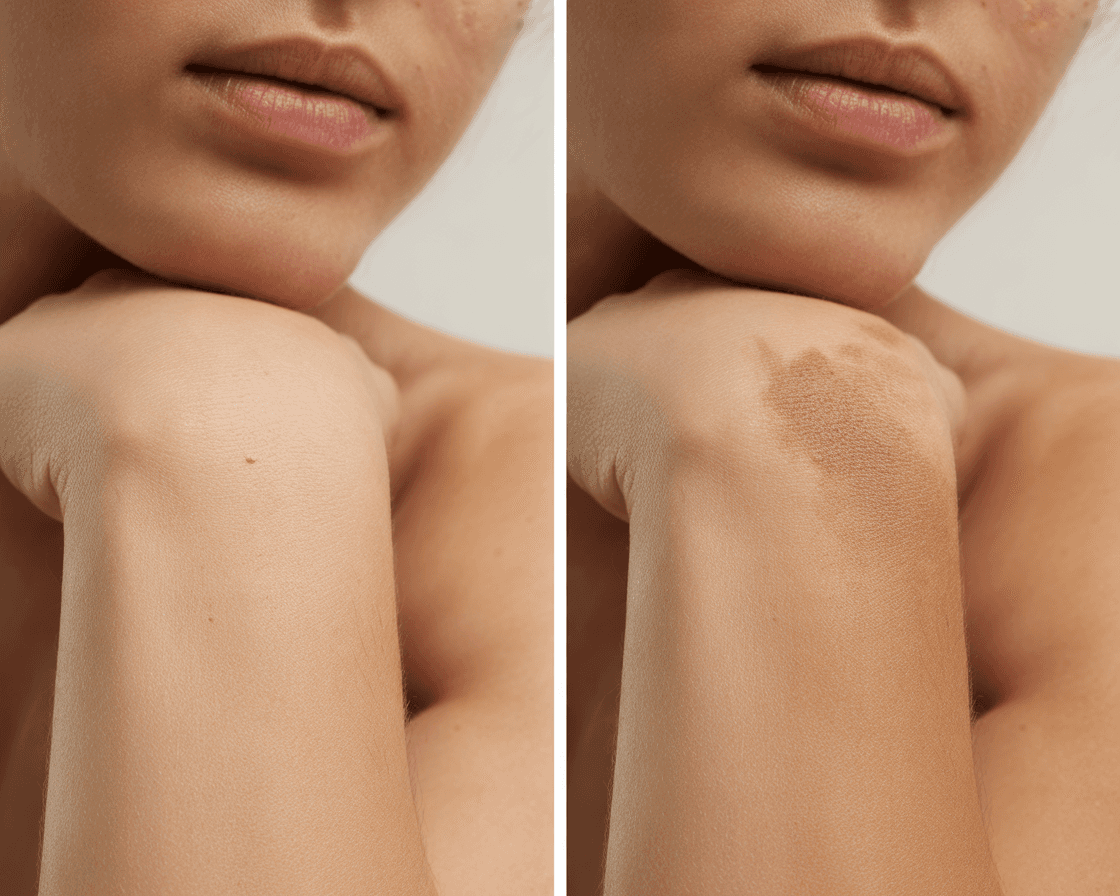
"The dark patches on my arms always made me hide my skin, especially in the summer. After using this, the discoloration faded dramatically, and my skin looks smooth and healthy again. I’m finally wearing short sleeves without worrying about it. I couldn’t be happier!"
—Brianna L., 27
"I’ve struggled with dark spots and uneven skin tone for years, and nothing seemed to help. After trying this, the difference is unbelievable. My complexion looks brighter, smoother, and so much more even. Even my friends noticed the change without me saying a word!"
—Melissa G., 42
"I had textured skin and stubborn pigmentation that made me feel uncomfortable going makeup-free. Seeing how much clearer and refined my skin looks now feels amazing. The before-and-after truly speaks for itself — my confidence is finally back!"
—Araceli V., 31
"The dark patches on my arms always made me hide my skin, especially in the summer. After using this, the discoloration faded dramatically, and my skin looks smooth and healthy again. I’m finally wearing short sleeves without worrying about it. I couldn’t be happier!"
—Brianna L., 27
"I’ve struggled with dark spots and uneven skin tone for years, and nothing seemed to help. After trying this, the difference is unbelievable. My complexion looks brighter, smoother, and so much more even. Even my friends noticed the change without me saying a word!"
—Melissa G., 42
"I had textured skin and stubborn pigmentation that made me feel uncomfortable going makeup-free. Seeing how much clearer and refined my skin looks now feels amazing. The before-and-after truly speaks for itself — my confidence is finally back!"
—Araceli V., 31
"The dark patches on my arms always made me hide my skin, especially in the summer. After using this, the discoloration faded dramatically, and my skin looks smooth and healthy again. I’m finally wearing short sleeves without worrying about it. I couldn’t be happier!"
—Brianna L., 27
Your Journey To Clear Skin Starts Today
Your Journey To Clear Skin Starts Today
Your Journey To Clear Skin Starts Today
Don't spend another day hiding behind heavy makeup. The solution that corrects spots without the burn is finally available.
Don't spend another day hiding behind heavy makeup. The solution that corrects spots without the burn is finally available.